blog-header-2560x1440-004

Coverage that counts for your RV insurance

Coverage that counts for your RV insurance

Welcome to the wonderful world of RVing. There are so many exciting adventures ahead of you! Before you set off on the open road, it’s important to consider how to protect your RV – and keep the fun times going, even when there’s an unforeseen problem.

The ABCs of RV insurance

When you buy specialized RV insurance, you’ll have access to additional protections designed specifically for RV living.

“RV insurance policies offer different coverage options for the way people use their RVs. They can go above and beyond the base policies and provide additional protection choices for people who are avid RVers and are looking for more flexibility and services they can add,” said Michelle Ng, Lifestyle Product Development Manager at Aviva Canada.

Most popular RV protections

If you’re new to RV life, you’re going to want to check out these proven coverages that experienced travelers have come to appreciate.

Emergency vacation expense

If your trailer becomes lost or damaged while you’re on the road, this base protection that’s included in every Aviva RVLife policy may cover expenses like a hotel room, rental car, food and other necessities while it’s being repaired.

“The coverage limit is $2,000 with an option to increase the limit to $5,000 for an additional cost. Typically, the base limit is more than enough to cover a week or so. The higher coverage may be a good fit for people who are traveling for longer or in more remote areas where it might be more difficult to have the RV repaired,” said Ng.
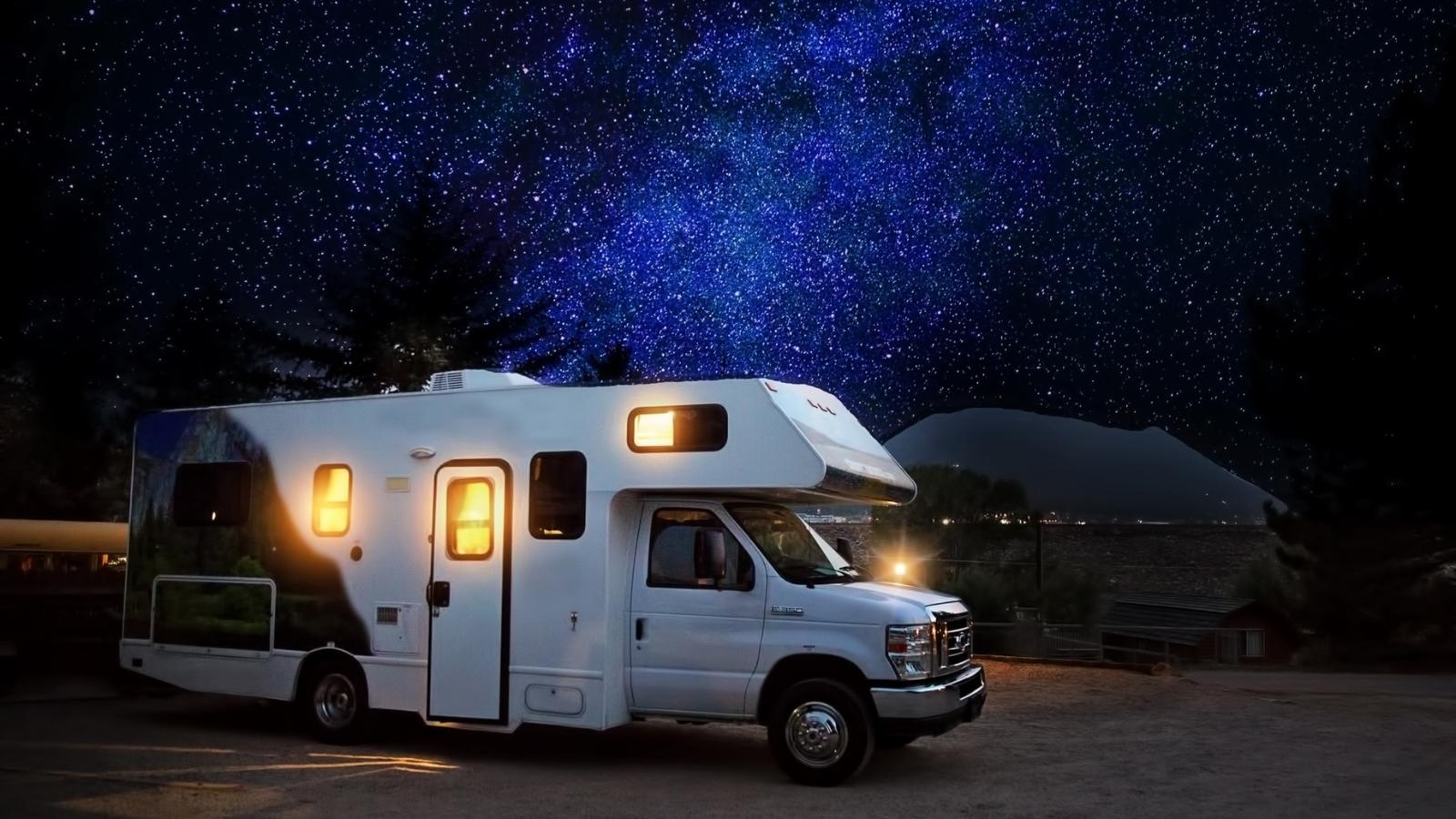
Emergency roadside service (ERS)

Policies comes with this emergency-roadside and driver assistance program (ERSBasic), which includes towing, flat tire service, battery boost, fuel delivery, lockout service and extrication/winch.

“For an additional cost, you can upgrade to ERSElite for more enhanced emergency roadside assistance, including trip planning, travel and emergency medical advice, pet assistance and more,” said Ng.

Guaranteed replacement cost endorsement

Low RV inventory has driven up costs considerably in the last couple of years. It’s likely that the RV you buy today will have a very different value if you need to replace or repair it. That’s why this optional endorsement is especially popular among Aviva customers.

“If your RV needs to be repaired or replaced, this coverage will ensure that it will be replaced with a model of similar quality – even if it costs more than what you paid for it. There is an additional cost for this endorsement and it’s only available for the first 10 years of ownership, but many people find this to be well worth it when you consider that an RV purchased for $50,000 could potentially cost more to replace in the future,” said Ng.

“Once a year, go some place you’ve never been before”

Dali Lama

RV Rental network endorsement

One way to defray the cost of your RV investment is to rent it out to others when you’re not using it. Aviva, partners with RV-sharing platform Outdoorsy to offer customers this option.

Temporary primary residence endorsement

Need a place to live while your home or cottage is under renovation? You can buy additional coverage that allows you to use your towed trailer as your primary residence for a defined period of time.

“Customers who are rebuilding a house or are having their primary home repaired may buy this coverage in the short term to ensure they have all the protection they need while living in their RV temporarily,” said Ng.
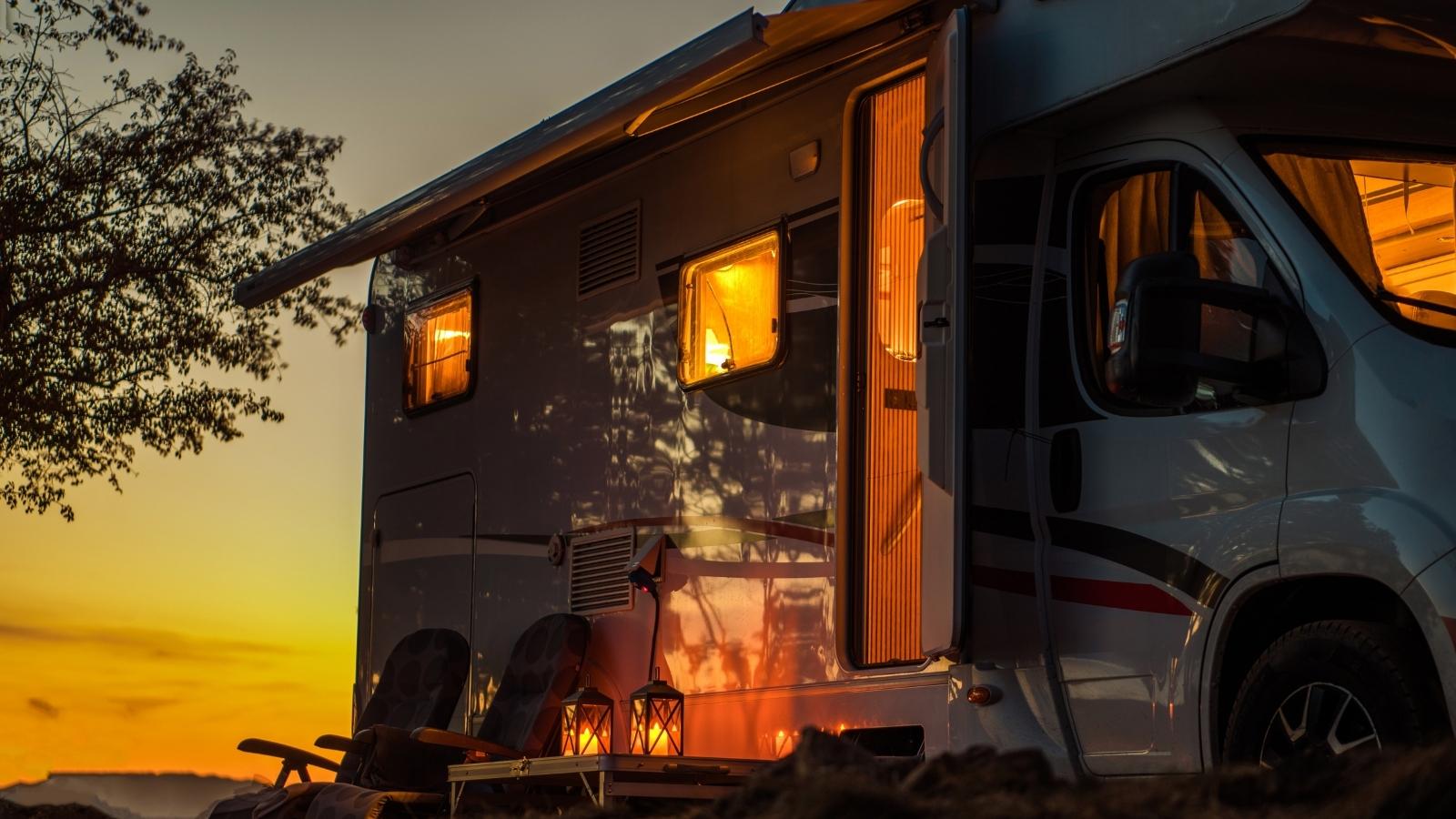
When it comes to protecting your RV and all the ways you use it, you have lots of options and flexibility. Choosing an RV-specific insurance policy will help ensure you get the coverage you need, when you need it most.

The content on this page is for information purposes only. The insurance products described herein are subject to terms, conditions, restrictions and exclusions, which are outlined in the final policy wording. Please speak with your C.J. Campbell Insurance agent if you would like to learn more.
Continue reading

5 Tips to Help Prevent Distracted Driving

5 Tips to Help Prevent Distracted Driving

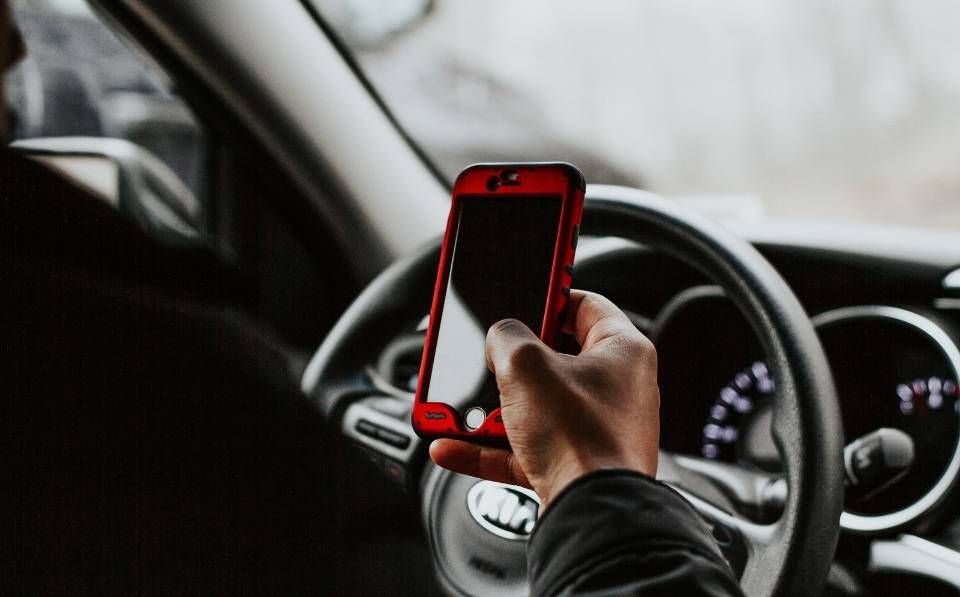
Nobody thinks it’s okay to drive while distracted, yet most people have likely done it at some point. Distracted driving can be just as dangerous as drunk driving — and these days, it’s much more common.

But it’s not just texting that puts drivers at fault.
So, are you guilty of these things? Sure, we can all get distracted, but they key is to consciously try to change this behaviour.

Penalties for distracted driving

While laws and penalties vary from province to province, there’s a national ban against using a mobile or handheld device while driving. Penalties could include a fine, the loss of demerit points or even a driving suspension. The penalty will depend on the type of license you have, how long you’ve been driving and whether it’s your first infraction — and this could also impact your insurance rates.

If you endanger the life of another person because of distracted driving, you could also be charged with careless driving, which carries higher penalties that could include jail time and a license suspension. In the worst-case scenario, you could be charged with dangerous driving, which is a criminal offence and carries significant jail terms for causing bodily harm or death.

Even if you’re not texting while driving, you could still be pulled over for distracted driving.

For example, eating a bag of chips or sipping a coffee could impair your driving — even if it doesn’t fall directly under your province’s distracted driving law. Driving with your pet on your lap could also be deemed a distraction. In B.C., this could result in a charge related to driving while your control or view is obstructed, which are sections of the Motor Vehicle Act.

Anything that takes your attention away from the road is a distraction. Eating, drinking, smoking, vaping, fixing your hair, putting on makeup or even fiddling around with the stereo could all be considered distractions.

Tips for avoiding distracted driving

While there are countless random things that can steal your attention, it’s likely that you’ve encountered the same situations every time you drive. So here are five very common things that you can do right away to help you focus more on the road.

1) Switch off temptation & silence your phone

Studies have shown that when we receive a notification — including ‘likes’ on social media — that ping sends dopamine to our brains, and we respond like the proverbial Pavlovian dog. But if you can’t hear the sound or feel the vibration, you won’t be tempted to look at your device.

So turn off your phone, mute the volume or, better yet, use the ‘do not disturb‘ feature when you get in your car, which will silence notifications, calls and texts. And while you’re at it, toss the phone in the glove compartment or the back seat where it’s out of reach.

2) Use apps to block calls while driving

Take it to the next level and consider using an app that blocks incoming texts and calls while you’re driving, especially if you regularly commute for long periods of time. These apps can also send out an automated reply that lets people know you’re driving and can’t get back to them at the moment.

If you’re worried you’ll miss an important call or not respond in a timely manner, these auto-replies can at least act as a stop-gap until you reach your destination.

3) Keep your pets safe

While we might like the idea of driving with our furry family member in the passenger seat, it’s simply not safe — for you or your pet. “In the event of a crash, even the smallest dog can generate up to 500 pounds of projectile force. A bigger dog, like a husky, could become a 2,400-pound projectile! Any unrestrained animal, but especially larger dogs, would be at risk of serious injury or even death in an accident,” according to an article in Canada Drives.

If your pet is accompanying you, use a harness, crate or dog car seat to keep Fido safe and secure. Try to keep them in the backseat if possible, which will help limit entering your peripheral vision while driving.

“A mere five letters can change someone’s life forever”

Travis Burhart

4) Pull over when eating and navigating

If you’re starving, don’t wolf down a takeaway meal while behind the wheel. Instead, eat it in the parking lot or find somewhere safe to pull over. The same applies if you need to send a text or make a call.

If you’re lost, don’t try to bring up Google Maps on your phone or program a GPS system while driving. It can be tempting to just quickly pull up an address, but again, pull over and spend the extra minute to do it the safe way.

5) Use voice commands and hands-free communications — sparingly

You can use voice commands to program your GPS device or for hands-free Bluetooth-enabled communications. But use these sparingly because they aren’t foolproof. Just trying to fiddle with technology can also distract you. (How many times does your voice recognition understand the wrong command?! Frustrating.)

And if you’re deep into a phone conversation on speaker, say with your spouse, kids or work, you’re still going to be distracted even if you’re using Bluetooth. Recently, the B.C. Supreme Court ruled that wearing both earbuds connected to a smartphone counts as a distracted driving offence, so that’s not a great option either.

Driving while distracted can result in a hefty fine, demerit points and even a driving suspension. But it can also negatively impact your insurance rate. By taking a few simple steps, you can stay focused on the road and keep yourself — and the other drivers around you — safe from distraction.

The content on this page is for information purposes only. The insurance products described herein are subject to terms, conditions, restrictions and exclusions, which are outlined in the final policy wording. Please speak with your C.J. Campbell Insurance agent if you would like to learn more.

Continue reading